Shaw captures the ancient art of ceramics in its versatile collection of ceramic and porcelain tile products. Seven of our porcelain tile collections are manufactured with the environment in mind. At Shaw Floors, we are committed to doing the right thing for the environment, and we partner with Eco-friendly suppliers who share in that commitment. Working with like-minded companies is crucial to creating a healthier ecosystem by reducing the amount of natural resources we consume. Learn More
Bathroom Tile
Bathroom Tile Guide

Reinventing Spaces: The Renaissance of Bathroom Tile Flooring in Modern Design
Introduction
Bathroom tile flooring, an element as old as architecture itself, has undergone a remarkable evolution, adapting to various styles and technological advancements while maintaining its core attributes of durability and elegance. In ancient civilizations, tiles signified luxury and craftsmanship; today, they are a testament to the fusion of functionality, sustainability, and aesthetics in modern architecture and interior design.
Historical Significance and Evolution
Originally, bathroom tiles served primarily utilitarian purposes, especially in terms of hygiene and water resistance. Ancient Roman baths, for instance, showcased mosaic tiles, combining functionality with intricate art. Fast forward to today, and bathroom tile flooring stands at the intersection of technology and design, offering solutions that cater to both practical demands and creative visions.
Material Properties and Sustainability
Key to the selection of bathroom tiles in contemporary design is their durability and resistance to wear and tear. These materials withstand moist environments and heavy foot traffic, retaining their appearance over time with minimal maintenance. Moreover, the eco-friendly aspects of tile manufacturing, such as energy-efficient production and recyclability, align with the growing demand for sustainable building materials.
Design Versatility and Aesthetics
The versatility of bathroom tiles is unmatched. Available in an array of colors, patterns, sizes, and finishes, they allow designers and architects to create bespoke environments that align with various architectural styles. From minimalist large-format porcelain tiles to intricate ceramic mosaics, the design possibilities are limitless.
Technical Advancements
Technological innovations in tile manufacturing, such as digital printing and improved material compositions, have expanded customizability and design possibilities. These advancements have not only enhanced aesthetic appeal but also improved functional characteristics like slip resistance and ease of cleaning.
Application Diversity
In architectural and interior design, bathroom tiles are not confined to residential spaces. They are increasingly featured in healthcare facilities for their hygienic properties, in commercial spaces for their durability, and in luxury environments for their aesthetic appeal. Innovative applications, as seen in some contemporary hotels and spas, demonstrate how bathroom tiles can be a focal point of design.
Performance and Functionality
Bathroom tiles offer functional benefits crucial for diverse environments. Their water resistance and antibacterial properties ensure a hygienic surface, essential in public and healthcare settings. For high-traffic areas, their durability makes them an ideal choice, providing a balance between functionality and style.
Sustainability and Environmental Impact
Bathroom tiles contribute significantly to sustainable building practices. They play a role in achieving LEED certification and meet various environmental standards. The production and usage of tiles, considering environmental and health aspects, are critical in modern building specifications, given the increasing emphasis on sustainable development.
Cultural and Artistic Significance
The cultural significance of bathroom tile flooring spans across regions, embodying local art and traditions. Contemporary designers skillfully blend these traditional elements with modern designs, creating spaces that are both culturally rich and visually modern.
Cost-Effectiveness and Long-Term Value
When analyzing cost versus benefits, bathroom tile flooring emerges as a cost-effective option due to its long-term value. Its durability and timeless appeal often outweigh the initial investment, especially when compared with other materials that may require more frequent replacement or maintenance.
Conclusion
Bathroom tile flooring is more than a mere architectural element; it is a versatile, sustainable, and aesthetically pleasing solution that has evolved to meet the dynamic needs of modern architecture and interior design. As architects, interior designers, and facility managers continue to explore innovative building materials, the potential of bathroom tile flooring in shaping future design trends is immense. Its unique combination of tradition, technology, and artistry makes it an indispensable component in contemporary and future projects.
Disclaimer: The information provided in this article is for general informational purposes only. While we strive to ensure the accuracy and reliability of the information presented, we make no warranties, express or implied, about the completeness, accuracy, reliability, suitability, or availability with respect to the content. Any reliance you place on such information is strictly at your own risk. We recommend consulting with professionals for specific advice tailored to your project’s needs, particularly regarding building codes, regulations, and product specifications.
Under no circumstances shall we be liable for any loss or damage, including without limitation, indirect or consequential loss or damage, arising from the use of, or reliance on, the information provided in this article.
Featured Brands
The Best 10 Bathroom Tile Brands
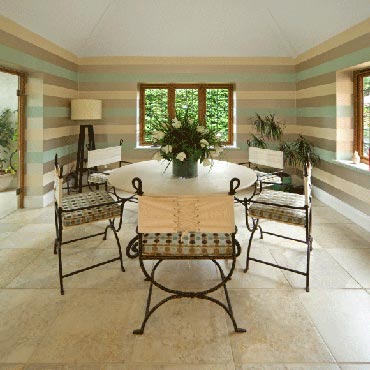

Shaw Tile Flooring
Profile | WebsiteShaw captures the ancient art of ceramics in its versatile collection of ceramic and porcelain tile products. Seven of our porcelain tile collections are manufactured with the environment in mind. At Shaw Floors, we are committed to doing the right thing for the environment, and we partner with Eco-friendly suppliers who share in that commitment. Working with like-minded companies is crucial to creating a healthier ecosystem by reducing the amount of natural resources we consume. Learn More
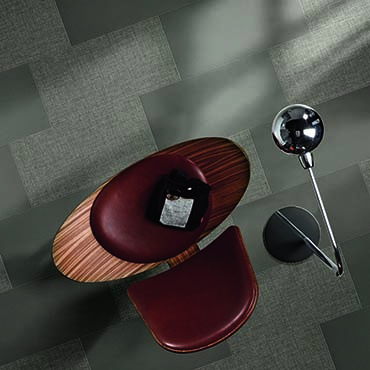

Daltile® Floor Tile
Profile | Website | Install | MaintainTransform any room with DalTile® Floor Tile. Available in porcelain, ceramic, and stone looks, DalTile offers durable, stylish, and easy-to-maintain flooring options perfect for kitchens, bathrooms, living areas, and high-traffic commercial spaces. Learn More
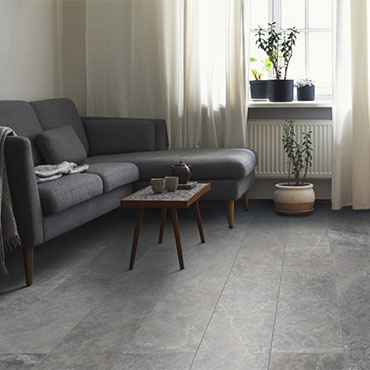

Florida Tile
Profile | Website | GreenFlorida Tile products are one of the greatest values in the industry. Our reputation is built on providing reasonably priced, design rich products to the tile market. Florida Tile products come directly from the earth. Because of this, we are particularly aware of our responsibility to help preserve the beauty and health of our planet and all its natural resources. Learn More
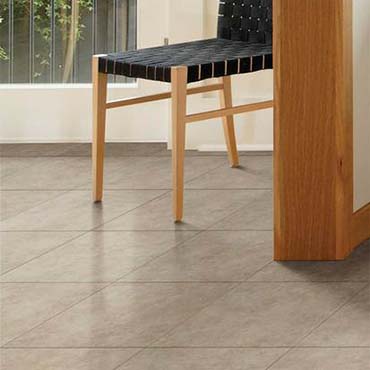

American Olean® Tile
Profile | Website | Warranty | GreenHome is where the heart is, and American Olean is the trusted choice for residential projects. With countless, on-trend design options, the versatility and durability of American Olean tile make it easy to produce stylish, modern designs anywhere in your home. Learn More

Crossville® Porcelain Tile
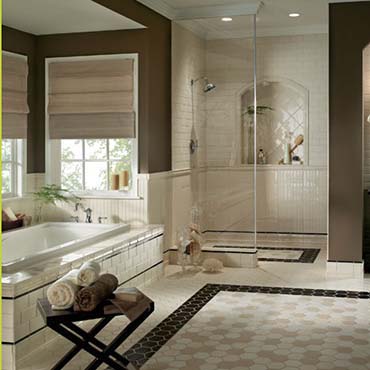
Profile | Website | Design Tools | Warranty | Install | Maintain | FAQs | GreenAs the first tile manufacturer in Tennessee (est. 1986), Crossville is the leading American manufacturer of beautiful, sustainable solutions that advance the frontiers of tile design. From introducing the nation’s first large-format porcelain tiles, to becoming the first and only net consumer of tile waste materials (meaning we recycle even more than we produce), to developing cutting-edge performance innovations that turn mere surfaces into “breathing” living environments—we are committed to pioneering products and practices that change the way the world views tile. Learn More

DalTile® Countertops
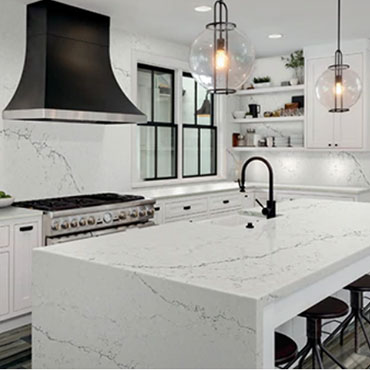
Profile | Website | Install | Maintain | BlogUpgrade your kitchen or bath with DalTile® Countertops. Choose from quartz, granite, and porcelain surfaces that offer stunning style, lasting durability, and easy maintenance—perfect for modern designs and timeless spaces alike. Learn More



Porcelanosa® Tile Flooring
Profile | WebsiteAmbitious research and development projects have enabled us to release products on the market that have a high degree of added value: wall tiles, floor tiles and porcelain tiles. Learn More


Vitromex® Tile
Profile | WebsiteVitromex® is a mexican company that belongs to the Grupo Industrial Saltillo. Since its foundation in 1967 we manufacture ceramic coverings for floor tiles and wall tiles, as well as sanitary-ware with the highest quality standards. Learn More

Seneca Tiles
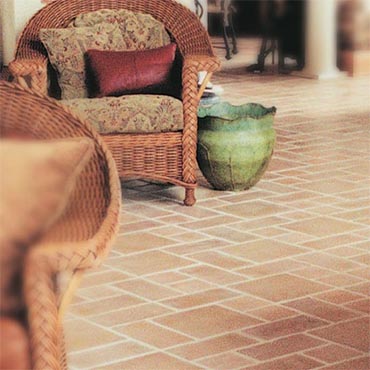
Profile | WebsiteSeneca Tiles Inc., manufacturerand importer of distinctive ceramic tiles, invites you to experience our exciting collection of ceramic tile, available exclusively through leading distributors in North America Learn More


Original Style Tile
Profile | WebsiteOur company is one of Britain’s largest tile manufacturers, our products are available in over 55 countries and over 2000 quality retail shops worldwide. Original Style tiles have been used in such wide-ranging projects as Hollywood film star homes, Arabian mosques, from English country pubs to international opera houses. Learn More
Bathroom Tile News
Latest Bathroom Tile News
Bathroom Tile...Bathroom Tile: Merging Elegance, Functionality, and Sustainability in Modern Design Tiles have journeyed through centuries, evolving from mere functional elements in ancient civilizations to prominent features in today’s interior design. The bathroom, a sanctuary of cleanliness and relaxation, has become a canvas for these artistic pieces. This article delves into the world of ... |