Beaulieu Residential, your complete decorating resource, now has a collection of carpeting in a dazzling range of colors and styles. You can be confident that your choice of floor covering will blend perfectly with the fabrics and furniture style in the room, creating an appealing and harmonious setting. Learn More
Commercial Carpet
Commercial Carpet Guide

The Integral Role of Commercial Carpet in Modern Interior Design and Architecture
In the ever-evolving world of interior design and architecture, commercial carpeting has emerged as a pivotal element, playing a critical role in defining the aesthetics, functionality, and sustainability of commercial spaces. This article delves into the versatility, durability, and sustainability of commercial carpets, offering valuable insights and tips for architects, interior designers, specifiers, and commercial buyers.
Versatility in Design
Commercial carpets offer unparalleled versatility in design, enabling architects and designers to tailor spaces according to specific themes, brand identities, or functional requirements. With an extensive range of colors, patterns, textures, and sizes, these carpets can seamlessly integrate with diverse interior styles, from minimalistic modern offices to more opulent hotel lobbies.
Recent trends have seen a shift towards bold, graphic patterns and textured tiles that allow for creative and customizable installations. Innovations in dyeing and printing technologies have expanded the possibilities for bespoke designs, facilitating unique branding opportunities and thematic expressions in commercial environments.
Durability: Meeting the Demands of Commercial Use
Durability is paramount in commercial settings where foot traffic is high. Modern commercial carpets are engineered for longevity and resilience. High-quality fibers, tightly woven constructions, and advanced protective coatings make these carpets resistant to stains, fading, and wear. This durability translates to cost-effectiveness, as the need for frequent replacements is significantly reduced.
For areas with exceptionally high traffic, solution-dyed nylon or polypropylene carpets are recommended due to their robust nature. These materials maintain their color and texture over time, even under strenuous conditions.
Sustainability: A Commitment to the Environment
Sustainability in commercial carpeting has gained immense importance, reflecting a global shift towards environmentally responsible design. Manufacturers are increasingly embracing eco-friendly practices, using recycled materials and ensuring recyclability at the end of the carpet's life. Eco-conscious buyers should look for carpets with certifications like Green Label Plus, which guarantees lower emissions of volatile organic compounds (VOCs).
Innovative materials such as recycled PET fibers from plastic bottles or bio-based materials are also gaining traction. These not only reduce the ecological footprint but also offer high performance and aesthetic appeal.
Enhancing Commercial Spaces
The impact of commercial carpeting on the overall ambiance of a space is profound. Beyond aesthetics, carpets improve acoustic quality by absorbing sound, thus creating a more comfortable and productive environment. They also enhance safety by providing a non-slip surface and reducing the impact of falls.
In terms of thermal comfort, carpets act as insulators, retaining warmth and contributing to energy efficiency. This aspect is particularly beneficial in climates with severe winters, where maintaining a warm indoor environment is crucial.
Selection Tips for Professionals
- Understand the Space's Functionality: The choice of carpet should align with the space's purpose. For instance, a busy hotel lobby may require a more durable, easy-to-clean carpet compared to a corporate boardroom.
- Consider Maintenance Requirements: Opt for carpets that are easy to maintain and clean, especially in high-traffic areas. Modular carpet tiles are a good choice as they allow for easy replacement of individual tiles if damaged.
- Factor in Health and Safety: Choose carpets with non-toxic materials and low VOC emissions to ensure a healthy indoor environment. Additionally, prioritize slip-resistant options for safety.
- Balance Aesthetics and Practicality: While aesthetics are important, they should not overshadow practical considerations like durability and maintenance.
- Stay Informed on Trends and Innovations: Keep abreast of the latest trends and technological advancements in carpet manufacturing for innovative solutions.
The Future: Innovations and Trends
The commercial carpet industry continues to evolve with technological advancements and changing design trends. Digital printing technology is revolutionizing design flexibility, allowing for intricate patterns and vibrant colors. The trend towards personalized and adaptable spaces is fostering innovations in modular carpet designs, where different textures and patterns can be mixed and matched for a unique look.
Sustainability continues to be a major focus, with an increasing number of manufacturers moving towards carbon-neutral practices and the use of renewable materials. There's also a growing interest in smart carpets equipped with sensors for various applications like tracking foot traffic or enhancing security.
Conclusion
Commercial carpeting stands as a crucial component in the realm of modern interior design and architecture, offering a blend of aesthetics, functionality, and sustainability. As the industry progresses, it is imperative for professionals to stay informed and adapt to these advancements, ensuring that their selections not only elevate the design of commercial spaces but also contribute positively to environmental sustainability and user well-being.
Disclaimer: The information provided in this article is for general informational purposes only. While we strive to ensure the accuracy and reliability of the information presented, we make no warranties, express or implied, about the completeness, accuracy, reliability, suitability, or availability with respect to the content. Any reliance you place on such information is strictly at your own risk. We recommend consulting with professionals for specific advice tailored to your project’s needs, particularly regarding building codes, regulations, and product specifications.
Under no circumstances shall we be liable for any loss or damage, including without limitation, indirect or consequential loss or damage, arising from the use of, or reliance on, the information provided in this article.
Select Product Sub-Category:
Commercial Carpet
Top 15 Types of Commercial Carpet
 Carpeting - 73 Modular Carpet TileModular Carpet Tile: Transform your space with ease using these versatile, stylish tiles. Create a seamless flooring experience that suits your unique aesthetic, perfect for any writer's creative haven. | |
 Cushion/Padding - 414 Cushion/PaddingEnhance your flooring with our top-quality carpet cushion/padding. Offering supreme comfort and durability, our selection fits various styles and budgets. Explore now for a softer, long-lasting carpet experience! Learn More | Sub Categories: |
 Carpeting - 469 Commercial Cut PileIntroducing our Cut Pile Carpet: A luxurious choice for your home or office. Soft, durable, and stylish, it adds warmth and comfort to any space. Choose quality and comfort with our Cut Pile Carpet today! | Sub Categories: |
 Carpeting - 417 Commercial (Tufted)Discover the elegance and durability of Commercial Tufted carpeting. Perfect for offices, hotels, and retail spaces, this flooring solution combines style and function.
| |
 Carpeting - 472 Commercial Loop PileExplore our Commercial Loop Pile Carpeting! With durable construction and a variety of textures, our carpets provide the perfect blend of style and function for offices, hotels, and more. Visit now! | Sub Categories: |
 Carpeting - 426 Patterned CarpetIntroducing our exquisite Patterned Carpet collection, perfect for adding a touch of elegance to your home. Elevate your space with unique designs and luxurious comfort. Ideal for any room! | |
 Carpeting - 436 Commercial Printed CarpetIntroducing our Commercial Printed Carpet: Transform any space with style and durability. Perfect for your creative writing sanctuary! | |
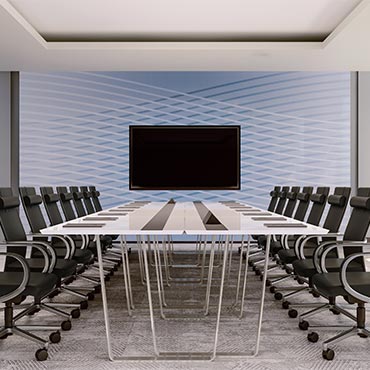 Carpeting - 470 Commercial Cut/UncutDiscover the perfect flooring for your space with our Commercial Cut/Uncut Carpet. Durable and stylish, it's a versatile choice for any setting. | Sub Categories: |
 Carpeting - 496 Custom CarpetIntroducing our Commercial Custom Carpets: Elevate your space with tailored elegance. Durable, stylish, and made to your specifications. Perfect for any setting. | |
 Carpeting - 474 Carpet Cove BaseDiscover the Versatility and Durability of Carpet Cove Base for Modern Interiors Learn More | |
 Carpeting - 437 Commercial (Woven) CarpetThe woven carpet is one of the oldest manufacturing processes. It is woven like a carpet through a traditional weaving loom. The top and the back of the carpet are made simultaneously. | |
 Carpeting - 435 Spike Resistant CarpetIntroducing our Golf Spike Resistant Carpet: Perfect for avid golfers like you, it offers durability and comfort while protecting your lawn. Enjoy your game without worry! Learn More | |
 Carpeting - 69 Needlepunch CarpetsExploring the durability and aesthetics of needlepunch carpets in interior design, offering insights for novel settings. Learn More | |
 | Sub Categories: |
 Carpeting - 954 Woven CarpetIntroducing our exquisite Woven Carpet: Unparalleled craftsmanship meets plush comfort. Elevate your space with timeless elegance. Order now and redefine luxury in your home. Learn More | Sub Categories: |
Featured Brands
The Best 4 Commercial Carpet Brands
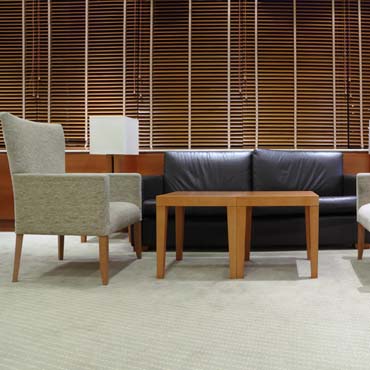

Beaulieu Carpet
Profile | WebsiteBeaulieu Residential, your complete decorating resource, now has a collection of carpeting in a dazzling range of colors and styles. You can be confident that your choice of floor covering will blend perfectly with the fabrics and furniture style in the room, creating an appealing and harmonious setting. Learn More
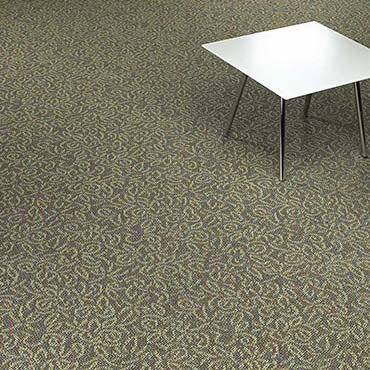

Mannington Commercial Carpet
Profile | Website | GreenMannington commercial flooring has been recognized as a leader in product innovation, styling, and design, as well as in operational excellence and environmental stewardship. With industry-leading fiber systems and superior manufacturing, our vast array of carpet styles look better and last up to 75% longer than any other carpet in the marketplace. Learn More


Hagaman Carpet
Profile | WebsiteHagaman broadloom carpet collections offer distinctive designer styling, and luxurious constructions at remarkably affordable price points. We achieve this innovative combination of fashion and value by our quality craftsmanship. Hagaman offers fine style and craftsmanship in woolen carpet, at a price you can afford. Learn More


Pentz® Commercial Carpet
Profile | Website | Design ToolsPentz® Commercial Flooring Solutions offers a wide array of commercial products including broadloom, carpet tiles, and planks, in fresh design options. Our technologically advanced fiber systems ensure that your carpet retains its appearance for longer, are easier to clean and resist most permanent staining. Learn More

Commercial Carpet Videos
The Top 10 Commercial Carpet Videos
FloorDaily.net: Kersey and Hollowell Discuss Engineered Floors' New Pentz Mainstreet Brand
July 29, 2016—Brandon Kersey and Gary Hollowell, brand manger and VP of sales and marketing (respectively), and Kemp Harr, Publisher of Floor Focus Magazine, discuss the strategy and products behind Engineered Floors' foray into the mainstreet commercial carpet market. Listen to the interview to hear more about how this move is a natural next step as part of the integration of Engineered Floors and J+J Flooring Group.
J+J Flooring Group Customer Experience
At J+J Flooring Group we are dedicated to providing our customers with the best customer experience in the industry. We're on it.
FloorDaily.net: Brad Root Discusses the Launch of the EF Contract Brand
February 15, 2018—Brad Root, SVP of sales and marketing for EF Contract, discusses Engineered Floors' decision to rebrand Bolyu Contract and Aqua Hospitality to EF Contract and EF Hospitality. Listen to the interview to hear more about the go to market strategy and the new leadership team for these two brands moving forward. Bolyu and Aqua Hospitality were part of the Beaulieu assets that Engineered Floors purchased late last year.
Interface story told by its engineers
Interface, the world's largest manufacturer of modular carpet, is achieving 90% reductions of CO2 in its European operations. Listen to its engineers how they have done in in practice. #itispossible http://goo.gl/OC6tiv
Textra Plus ZL - Seaming - Kraus
Learn how to seam Kraus' commercial/residential broadloom, Textra Plus ZL, from a Kraus Installer.
Mohawk Group's Iconic Earth
Mohawk Group’s Iconic Earth collection draws inspiration from natural stone formations over time. The stone visuals celebrate natural processes of geology with pops of sheen morphing and shifting throughout the floor. Offered in complementing 12-inch x 36-inch plank and traditional 24-inch x 24-inch formatted styles, Iconic Earth features new metallic yarns allowing for a unique lustrous effect that mimics the look of oxidized minerals. For a comprehensive flooring solution, use Iconic Earth alongside Mohawk Group’s coordinating LVT products also featuring metallic visuals.
Shortened Version of Mannington Centennial Video
A shortened version of the documentary about flooring manufacturer Mannington Mills. In celebration of its 100th anniversary.
View the full documentary here: https://www.youtube.com/watch?v=EB1tF...
One of the world’s leading manufacturers of luxury flooring, Mannington Mills, Inc., based in Salem, New Jersey (USA), is a producer of residential and commercial sheet vinyl, luxury vinyl, laminate, hardwood and porcelain tile floors, as well as commercial carpet and rubber. Founded in 1915, Mannington is committed to quality, customer satisfaction and the environment.
Visit Mannington at www.mannington.com
Don Dolan, EVP of Masland Contract, on the Corporate Sector
Don Dolan, EVP of Masland Contract, talks about the corporate sector of the market, the changes that are occurring, and the use of several different flooring products and the motivation of these choices. http://www.floortrendsmag.com/topics/...
Reimagine Hospitality Flooring with Durkan
Durkan believes in everyday art that is created everywhere. Discover how Durkan's highly acclaimed hard and soft surface flooring solutions can help you reimagine hospitality flooring at http://hdexpo.durkan.com
Commercial Carpet News
Latest Commercial Carpet News
The Complete Guide to Printed Carpet...spel these myths and share the creative possibilities that printed carpet offers. What is Printed Carpet? There are several common processes used to add color and patterns to commercial carpet: Yarn dyeing - this is the process of coloring white yarn, with each fiber dyed a single color before being tufted into carpet. Yarn dyeing typically adds a single color to e... |
Breathe easier with carpet...press.shawinc.com/Airmid/ Prior research in 2002, performed by Professional Testing Laboratory studied the effect of foot traffic on air quality, using commercial carpet and commercial hardsurface flooring. Following 16 minutes of foot traffic over both surfaces, the particulate concentration over the hardsurface flooring was found to be four times t... |
Commercial (Tufted)...Tufted Commercial Carpeting: A Comprehensive Guide for Architects, Interior Designers, and Commercial Buyers In the realm of commercial floor covering, tufted commercial carpeting stands as a hallmark of style, durability, and practicality. This article delves into the intricacies of tufted carpeting, aiming to inform architects, interior designers, and commercial buyers about ... |
Commercial (Woven) Carpet...Woven Commercial Carpet: A Comprehensive Guide In the world of commercial interiors, the choice of floor covering is a critical decision that impacts not only the aesthetic appeal of a space but also its functionality and long-term durability. Among the various options available, woven commercial carpet stands out as a preferred choice for architects, interior designers, and c... |
Commercial Cut Pile... and Lifespan: Look for products with substantial warranties and known lifespans. Supplier Reputation: Choose suppliers known for their quality and service in the commercial carpet industry. Customization Options: Some suppliers offer customization in terms of color and pattern, which can be crucial for specific design requirements.<... |
Commercial Carpet...The Comprehensive Guide to Commercial Carpeting In the realm of commercial interiors, the choice of floor covering is pivotal in defining the aesthetic, functionality, and comfort of a space. Among the myriad options, commercial carpeting stands out for its versatility, durability, and the warm, inviting ambiance it can create. This guide provides architects, interior designers... |
Specialty Carpets...elements in a space but often embody artistic expression, technical innovation, and cultural significance. From the luxurious weaves of Persian and Oriental carpets to the practicality of outdoor and commercial carpets, this article explores the wide array of specialty carpets available in the market. Outdoor Carpets: Engineered to withstand the rigors of outdoor elements,... |