Shaw captures the ancient art of ceramics in its versatile collection of ceramic and porcelain tile products. Seven of our porcelain tile collections are manufactured with the environment in mind. At Shaw Floors, we are committed to doing the right thing for the environment, and we partner with Eco-friendly suppliers who share in that commitment. Working with like-minded companies is crucial to creating a healthier ecosystem by reducing the amount of natural resources we consume. Learn More
Mosaic Tile (glass)
Mosaic Tile (glass) Guide

The Renaissance of Glass Mosaic Tile Flooring: Blending Durability with Design Elegance
Introduction
Glass Mosaic Tile Flooring, a timeless element in the arsenal of architects and interior designers, has witnessed a remarkable evolution. From the intricate floors of ancient palaces and churches to the sleek surfaces of modern high-rises and homes, Glass Mosaic has seamlessly transitioned through time, continually reinventing itself. This article delves into the historical and modern significance of Glass Mosaic Tile Flooring, highlighting its durability, sustainability, aesthetic versatility, and technological advancements.
Defining Glass Mosaic in Floor Tiling
Glass Mosaic Tile Flooring, in its essence, refers to small, often square pieces of glass tiles pieced together to create a pattern or image. Known for its reflective properties and versatility, Glass Mosaic offers an unparalleled level of customization in floor design.
Material Properties and Sustainability
Key to its modern appeal is the durability of Glass Mosaic Tile Flooring. Resistant to wear, tear, and stains, these tiles are ideal for both high-traffic commercial spaces and residential settings. Their low maintenance requirements are a boon for facility managers, ensuring longevity and aesthetic appeal with minimal effort.
In the realm of sustainability, Glass Mosaic Tiles are making strides. Many are produced using energy-efficient processes and are recyclable, reducing their environmental footprint. This attribute aligns with the growing demand for eco-friendly materials in construction.
Design Versatility and Aesthetics
The design versatility of Glass Mosaic Tiles is unmatched. Available in a myriad of colors, patterns, sizes, and finishes, they offer limitless potential to create unique and compelling spaces. This versatility allows architects and designers to tailor designs to various architectural styles, from classic to contemporary.
Technical Advancements
Technological innovations in Glass Mosaic Tile Flooring have revolutionized its application. Advanced manufacturing techniques allow for precision in design and color, enhancing customizability. These advancements have opened new avenues in floor design, pushing the boundaries of creativity and functionality.
Application Diversity
Glass Mosaic Tiles are not confined to residential spaces; they grace the floors of commercial buildings, healthcare facilities, and public spaces. Their application ranges from creating grand, artistic entrances in luxury hotels to offering hygienic, durable surfaces in hospitals. Case studies from around the world showcase their innovative use in diverse architectural projects.
Performance and Functionality
In functional terms, Glass Mosaic Tiles excel. Their resistance to water and antibacterial properties make them ideal for spaces demanding hygiene and easy maintenance. Their suitability for high-traffic areas, without compromising on aesthetics, is a key consideration for architects and facility managers.
Sustainability and Environmental Impact
Sustainable building practices increasingly integrate Glass Mosaic Tiles. They contribute to LEED certification and meet various environmental standards. The production and usage of these tiles are now more eco-friendly, with reduced emissions and better resource utilization, catering to the green-building market.
Cultural and Artistic Significance
The cultural and artistic significance of Glass Mosaic Tiles cannot be overlooked. Across different regions, they carry a rich history, often reflecting local art and traditions. Contemporary designers harness this heritage, blending traditional motifs with modern designs, creating spaces that are culturally resonant yet forward-looking.
Cost-Effectiveness and Long-Term Value
When considering cost versus benefits, Glass Mosaic Tile Flooring stands out for its long-term value. Its durability and timeless appeal often outweigh initial costs, especially compared to other flooring materials. For architects and interior designers, this makes Glass Mosaic Tiles a cost-effective choice for projects where long-lasting beauty and function are paramount.
Conclusion
Glass Mosaic Tile Flooring is more than just a decorative element; it's a versatile, durable, and sustainable choice for modern architecture and interior design. Its ability to blend tradition with innovation makes it a compelling choice for architects, interior designers, and facility managers. As we look to the future, Glass Mosaic Tile Flooring remains a key player in shaping design trends, offering endless possibilities for creative and functional spaces. Consider its potential in your next project – the fusion of art, technology, and sustainability might just be the cornerstone of your design success.
Disclaimer: The information provided in this article is for general informational purposes only. While we strive to ensure the accuracy and reliability of the information presented, we make no warranties, express or implied, about the completeness, accuracy, reliability, suitability, or availability with respect to the content. Any reliance you place on such information is strictly at your own risk. We recommend consulting with professionals for specific advice tailored to your project’s needs, particularly regarding building codes, regulations, and product specifications.
Under no circumstances shall we be liable for any loss or damage, including without limitation, indirect or consequential loss or damage, arising from the use of, or reliance on, the information provided in this article.
Featured Brands
The Best 10 Mosaic Tile (glass) Brands
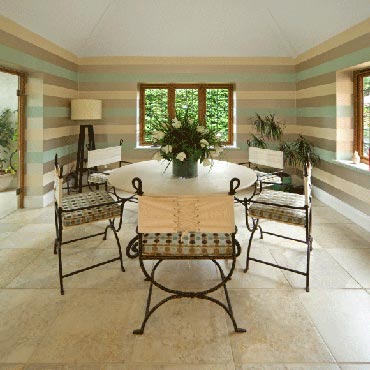

Shaw Tile Flooring
Profile | WebsiteShaw captures the ancient art of ceramics in its versatile collection of ceramic and porcelain tile products. Seven of our porcelain tile collections are manufactured with the environment in mind. At Shaw Floors, we are committed to doing the right thing for the environment, and we partner with Eco-friendly suppliers who share in that commitment. Working with like-minded companies is crucial to creating a healthier ecosystem by reducing the amount of natural resources we consume. Learn More
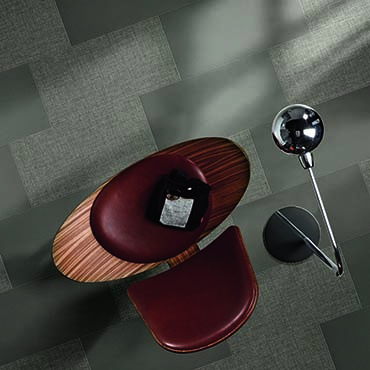

Daltile® Floor Tile
Profile | Website | Install | MaintainTransform any room with DalTile® Floor Tile. Available in porcelain, ceramic, and stone looks, DalTile offers durable, stylish, and easy-to-maintain flooring options perfect for kitchens, bathrooms, living areas, and high-traffic commercial spaces. Learn More
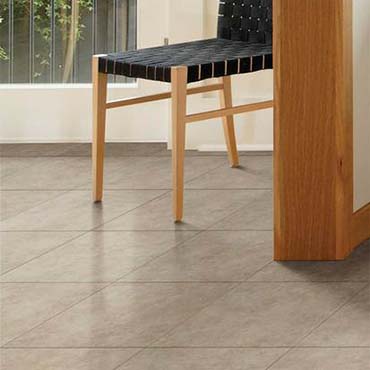

American Olean® Tile
Profile | Website | Warranty | GreenHome is where the heart is, and American Olean is the trusted choice for residential projects. With countless, on-trend design options, the versatility and durability of American Olean tile make it easy to produce stylish, modern designs anywhere in your home. Learn More
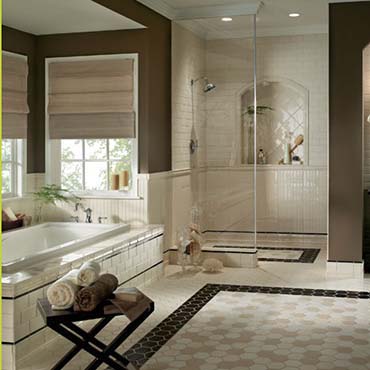

Crossville® Porcelain Tile
Profile | Website | Design Tools | Warranty | Install | Maintain | FAQs | GreenAs the first tile manufacturer in Tennessee (est. 1986), Crossville is the leading American manufacturer of beautiful, sustainable solutions that advance the frontiers of tile design. From introducing the nation’s first large-format porcelain tiles, to becoming the first and only net consumer of tile waste materials (meaning we recycle even more than we produce), to developing cutting-edge performance innovations that turn mere surfaces into “breathing” living environments—we are committed to pioneering products and practices that change the way the world views tile. Learn More
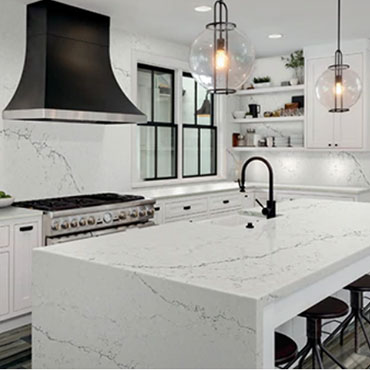

DalTile® Countertops
Profile | Website | Install | Maintain | BlogUpgrade your kitchen or bath with DalTile® Countertops. Choose from quartz, granite, and porcelain surfaces that offer stunning style, lasting durability, and easy maintenance—perfect for modern designs and timeless spaces alike. Learn More



Arizona Tile Flooring
Profile | Website | Video | Maintain | FAQs | Blog | GreenSince 1977, Arizona Tile has searched the globe in pursuit of truly extraordinary surfaces. Whether you are building your dream kitchen, renovating an older space, or planning the addition of an outdoor living area, we have a wide range of materials to suit your specific design plans. Learn More


Vitromex® Tile
Profile | WebsiteVitromex® is a mexican company that belongs to the Grupo Industrial Saltillo. Since its foundation in 1967 we manufacture ceramic coverings for floor tiles and wall tiles, as well as sanitary-ware with the highest quality standards. Learn More
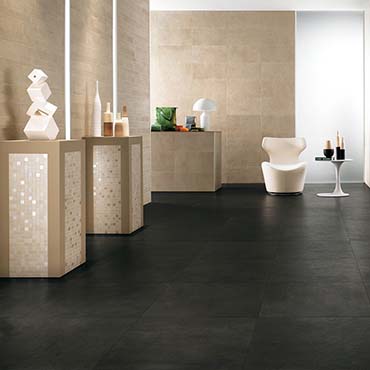

Olympia Tile
Profile | WebsiteCeramic Tile, Porcelain Tile, Marble, Granite, Natural Stone and More! Learn More
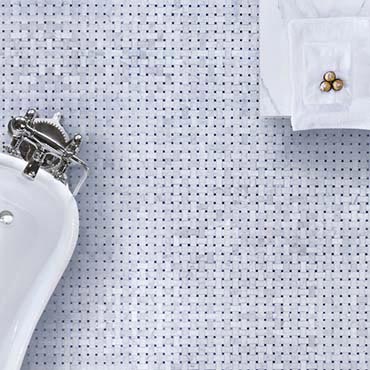

Bedrosians® Tile
Profile | Website | Warranty | MaintainExplore Bedrosians® Tile & Stone’s premium ceramic, porcelain, and glass collections. High-performance surface solutions for architects and designers seeking durable, sustainable, and high-DCOF rated materials for commercial and residential projects. Learn More


Ragno USA Tile
Profile | Website | Tips | GreenRagno porcelain tile sends a definitive message about the tastes and design preferences of the owner – use it to make any space distinctly personal. Nearly limitless colors, shapes, textures, finishes, trims and decorative options free the imagination to customize any setting whether the preference is contemporary or rustic, elegant or casual. Ragno designs the latest worldwide trends in floor and wall fashions that stand ready for a creative imagination. Learn More
Mosaic Tile (glass) News
Latest Mosaic Tile (glass) News
Mosaic Tile (glass)...The Timeless Charm of Glass Mosaic Tile in Modern Interior Design In the realm of interior design, the allure of glass mosaic tiles is both timeless and ever-evolving. These tiles, with their roots in ancient art, have traversed centuries, transforming from mere functional elements to pivotal design features in contemporary homes. This 750-word exploration delves into the world... |