For 30 years we have dedicated ourselves to marrying the artistry of finely crafted wood with the science of producing resilient, naturally comfortable and – equally important – comforting floors. We don’t cut corners. Because we know that for our customers, their homes are more than an investment, they are privileged spaces of repose, comfort and beauty. You wouldn’t skimp on the surfaces that carry you through life. You want them to be beautiful, practical and healthful. We are committed to meeting, even surpassing your expectations. Learn More
Hardwood Strip Flooring
Hardwood Strip Flooring Guide

The Elegant Underfoot: Mastering the Art of Hardwood Strip Flooring in Modern Design
In the world of modern architecture and interior design, the choice of flooring is not just a matter of practicality, but a profound statement of style and sustainability. Hardwood strip flooring, with its timeless elegance and versatile aesthetics, has become a cornerstone in contemporary design. This article delves into the intricacies of hardwood strip flooring, a subject that holds significant interest for architects, designers, and building contractors.
Understanding Hardwood Strip Flooring
- Hardwood: In the context of flooring, "hardwood" refers to wood sourced from dicot trees. These are typically slower-growing, resulting in denser and more durable wood, ideal for flooring.
- Strip: "Strip" in flooring parlance refers to the form of the hardwood – narrow, long planks that create a linear effect. The width of these strips usually varies from 1.5 to 2.5 inches, offering a classic, elongated look to the flooring layout.
Types of Hardwood Strip Flooring
Each type of hardwood brings its unique charm and characteristics:
- Oak: Renowned for its strength and resilience, oak flooring exhibits distinctive grain patterns and a natural warmth, ideal for both traditional and contemporary spaces.
- Maple: With its subtle grain and lighter hue, maple offers a sleek, modern look. It's particularly hard, making it suitable for high-traffic areas.
- Cherry: Cherished for its rich, deep color that deepens over time, cherry is less hard than oak or maple but offers a luxurious look perfect for intimate, refined spaces.
- Walnut: Walnut's dark, smooth finish lends a sense of sophistication and is often chosen for its striking appearance that pairs well with both modern and classic designs.
- Bamboo (a grass, technically): Increasingly popular for its eco-friendly nature, bamboo offers a distinctive look and is as hard as many traditional hardwoods.
Hardwood vs. Softwood Strip Flooring
While hardwood is derived from slow-growing trees like oak and maple, softwood comes from faster-growing species like pine and spruce. Hardwood tends to be more durable and resilient, making it more suitable for flooring. Softwood, while more cost-effective, is generally softer and more prone to scratches and dents, limiting its use in high-traffic areas.
Installation, Durability, and Environmental Suitability
- Hardwood: Known for its longevity, hardwood flooring can last for decades if properly maintained. It's suitable for a variety of environments but can warp in excessively humid conditions. Installation typically requires professional expertise, especially for solid hardwood.
- Softwood: Easier to install and often used for DIY projects. It's less durable than hardwood and more susceptible to environmental changes, making it less ideal for areas like bathrooms or basements.
Embracing Sustainability
Sustainability in hardwood strip flooring involves choosing wood from responsibly managed forests and considering eco-friendly options like bamboo. The use of reclaimed hardwood is also a growing trend, offering a blend of eco-consciousness and unique aesthetic appeal.
Technological Innovations
Recent advancements in hardwood strip flooring include superior finishes that enhance durability and resist wear. Innovations in installation methods, like click-and-lock engineered wood , also simplify the installation process while ensuring stability and longevity.
Concluding Thoughts
In selecting the right hardwood strip flooring, professionals must weigh aesthetics, durability, and sustainability. Whether it's the warm, classic appeal of oak or the sleek modernity of maple, each wood type brings its unique character to a space. The choice extends beyond mere visual appeal; it encompasses considerations of practicality, environmental impact, and technological advancements.
For architects and designers, the choice of flooring is pivotal in defining a space's character. Hardwood strip flooring, with its blend of natural beauty and enduring appeal, continues to be a preferred choice for those looking to create spaces that are both functional and aesthetically pleasing. The key lies in understanding the specific requirements of each project and choosing a wood type that aligns with both the design vision and practical considerations.
Incorporating hardwood strip flooring is not just about laying a surface; it's about crafting an experience, an ambiance that resonates with the ethos of the space. It's a testament to the timeless beauty of natural materials and their place in the ever-evolving world of architectural design.
Disclaimer: The information provided in this article is for general informational purposes only. While we strive to ensure the accuracy and reliability of the information presented, we make no warranties, express or implied, about the completeness, accuracy, reliability, suitability, or availability with respect to the content. Any reliance you place on such information is strictly at your own risk. We recommend consulting with professionals for specific advice tailored to your project’s needs, particularly regarding building codes, regulations, and product specifications.
Under no circumstances shall we be liable for any loss or damage, including without limitation, indirect or consequential loss or damage, arising from the use of, or reliance on, the information provided in this article.
Select Product Sub-Category:
Hardwood Strip Flooring
Top 2 Types of Hardwood Strip Flooring
 Wood Flooring - 371 Prefinished Strip FlooringWith prefinished strip flooring, the finish is applied at the manufacturer's facility. These strip floors require less time to install because the sanding and finishing process has already happened. The strip flooring is ready to walk on immediately. | |
 Wood Flooring - 372 Unfinished Strip FlooringUnfinished strip flooring offers a customizable surface, allowing you to achieve the exact color and finish you desire, creating a unique look that complements your home's style. |
Featured Brands
The Best 3 Hardwood Strip Flooring Brands


Lauzon Hardwood Flooring
Profile | WebsiteFor 30 years we have dedicated ourselves to marrying the artistry of finely crafted wood with the science of producing resilient, naturally comfortable and – equally important – comforting floors. We don’t cut corners. Because we know that for our customers, their homes are more than an investment, they are privileged spaces of repose, comfort and beauty. You wouldn’t skimp on the surfaces that carry you through life. You want them to be beautiful, practical and healthful. We are committed to meeting, even surpassing your expectations. Learn More
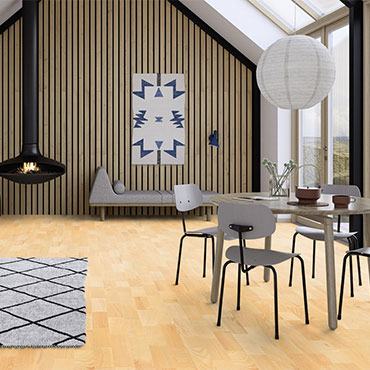

Boen Hardwood Strip Flooring
Profile | WebsiteThe company specialises in pre-finished parquet, and enjoys a leading position in the market as a supplier of quality products. More than 95% of all the wood used in Boen's production comes from Europe - from forests with sustainable growth. Learn More


Barlinek Wood Flooring
Profile | Website | Install | CleanBarlinek S.A products, made with the highest attention to detail, are becoming better and better. Yet they are friendly for men and their natural environment. They are noted for its unchanging, lasting beauty of natural wood. The beauty which is impossible to be replaced Learn More
Hardwood Strip Flooring News
Latest Hardwood Strip Flooring News
Hardwood Strip Flooring...The Art of Elegance: Embracing Hardwood Strip Flooring in Modern Interior Design In the dynamic world of interior design, where trends fluctuate and styles evolve, hardwood strip flooring has remained a timeless centerpiece, exuding an air of sophistication and warmth. This article delves into the essence of hardwood strip flooring, exploring its types, species, and the unparal... |