Discover ArmstrongFlooring® Hardwood Floors for premium architectural and design projects. Featuring the Spirited Trail™ and Wanderer's Way™ collections, these sustainable solid and engineered oak, maple, and hickory planks deliver enduring performance and style. Learn More
Specialty Wood Flooring
Specialty Wood Flooring Guide

The Art Underfoot: Revolutionizing Spaces with Specialty Wood Flooring
In the realm of modern architecture and interior design, the choice of flooring plays a pivotal role in defining the character and ambiance of a space. Specialty wood flooring, with its diverse array of options and sustainable allure, has become a focal point for architects, designers, and building contractors seeking to infuse uniqueness and ecological consciousness into their projects.
Defining 'Specialty' in Wood Flooring
The term "specialty" in wood flooring refers to unique materials, designs, and manufacturing techniques that stand apart from standard offerings. This includes exotic hardwoods, reclaimed woods, and innovative textures and finishes that elevate a space's design.
Diverse Types and Their Unique Appeal
- Reclaimed Wood Flooring: Salvaged from historical structures, this flooring is a tapestry of history and rustic charm. Each plank tells a story, making it ideal for spaces where narrative and character are key.
- Exotic Hardwood Flooring: Woods like Brazilian Cherry and Teak offer extraordinary durability and striking grain patterns. Their vivid colors lend themselves to bold, contemporary designs.
- Bamboo Flooring: Technically a grass, bamboo's rapid growth makes it a paragon of sustainability. Its strength and modern aesthetic make it suitable for both residential and commercial spaces.
- Cork Flooring: Sourced from the bark of cork oak trees, this flooring provides a unique softness and natural insulation, perfect for eco-conscious designs that prioritize comfort.
- Hand-Scraped Wood Flooring: These floors, with their artisanal, distressed look, are ideal for adding warmth and a sense of antiquity to a space.
- Engineered Hardwood with Unique Veneers: These combine the beauty of rare woods with enhanced stability, suitable for environments where temperature and humidity fluctuate.
- Wide Plank Flooring: The wide planks can alter the perception of space, making rooms feel larger and more open – a designer's dream for creating impactful interiors.
- Parquet Flooring: The geometric mosaic patterns can transform floors into a focal point of artistic expression, ideal for luxurious and traditional settings.
- Aged and Distressed Wood Flooring: For a vintage charm and a lived-in feel, this flooring adds depth and character to heritage homes or themed commercial spaces.
- Fumed or Smoked Wood: This treatment deepens the wood’s tone, highlighting the grain and offering a sophisticated ambiance.
- Oiled Wood Floors: The natural oils used in finishing these floors offer a unique, tactile experience and an organic look.
- Medallions and Inlays: Used to create bespoke designs, these floors are synonymous with luxury and exclusivity.
Specialty Vs. Standard Flooring
Unlike standard wood flooring, which often focuses on functionality and uniformity, specialty wood flooring is about the uniqueness and aesthetic enhancement of a space. It offers a broader range of textures, finishes, and designs, allowing for a more tailored approach to interior design.
Installation, Durability, and Environment Suitability
Each type of specialty wood flooring presents unique installation considerations and durability profiles. For instance, reclaimed wood may require more careful handling during installation, while bamboo offers high durability and moisture resistance, making it suitable for varied environments.
Sustainable Practices
The growing emphasis on sustainable materials has bolstered the popularity of eco-friendly options like bamboo and cork. Reclaimed wood, too, is a testament to sustainable practices, reducing the demand for new timber.
Technological Advances
Recent advancements, such as improved finishes that enhance durability and resist environmental damage, and innovations in installation techniques, have expanded the possibilities for using these specialty materials in a wider range of settings.
Conclusion: The Power of the Right Choice
The selection of specialty wood flooring can dramatically influence the aesthetic and functional aspects of a space. For architects, designers, and contractors, understanding the nuances of each type ensures that the chosen flooring not only complements the design vision but also meets practical requirements. As trends evolve, the fusion of art, technology, and sustainability in specialty wood flooring continues to offer exciting possibilities for transforming spaces into captivating, functional works of art.
Disclaimer: The information provided in this article is for general informational purposes only. While we strive to ensure the accuracy and reliability of the information presented, we make no warranties, express or implied, about the completeness, accuracy, reliability, suitability, or availability with respect to the content. Any reliance you place on such information is strictly at your own risk. We recommend consulting with professionals for specific advice tailored to your project’s needs, particularly regarding building codes, regulations, and product specifications.
Under no circumstances shall we be liable for any loss or damage, including without limitation, indirect or consequential loss or damage, arising from the use of, or reliance on, the information provided in this article.
Select Product Sub-Category:
Specialty Wood Flooring
Top 6 Types of Specialty Wood Flooring
 Wood Flooring - 564 Bamboo FlooringDiscover how bamboo flooring combines beauty, durability, and sustainability to create elegant interiors perfect. | |
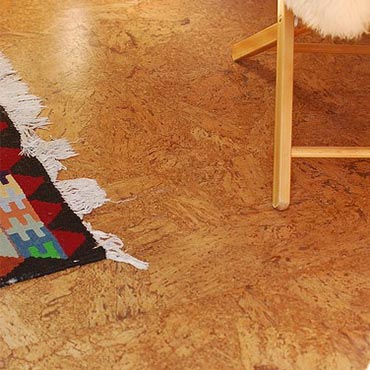 Wood Flooring - 836 Cork FlooringCork flooring is a flooring material manufactured from the by-product of the cork oak tree. Cork floors are considered to be eco-friendly since the cork oak tree bark is stripped every nine to ten years and doesn't damage the tree. | Sub Categories: |
 Wood Flooring - 499 Custom Wood FloorsThe process of customizing a wood floor requires a collaboration between you, the designer, and the craftsman. It starts with understanding your vision and translating it into a tangible design. Learn More | |
 Wood Flooring - 670 Wood TileThe natural beauty of wood has been a part of flooring for centuries and now, thanks to advances in manufacturing, wood is one of the most popular choices for consumers. Learn More | |
 Wood Flooring - 360 Wood DeckingTransform your outdoor space with our premium Wood Decking. Crafted for durability and elegance, it's perfect for your next novel's serene backyard setting. Elevate your story – order now! Learn More | |
 Wood Flooring - 365 Vinyl Bonded Wood FlooringIntroducing Vinyl Bonded Wood: The perfect blend of timeless elegance and durability. Elevate your space with the warmth of wood and the resilience of vinyl. Transform your home today! Learn More |
Featured Brands
The Best 1 Specialty Wood Flooring Brands


Armstrong Specialty Wood Flooring
Profile | WebsiteDiscover ArmstrongFlooring® Hardwood Floors for premium architectural and design projects. Featuring the Spirited Trail™ and Wanderer's Way™ collections, these sustainable solid and engineered oak, maple, and hickory planks deliver enduring performance and style. Learn More
Specialty Wood Flooring News
Latest Specialty Wood Flooring News
Specialty Wood Flooring...The Luxe Underfoot: Unveiling the Charm of Specialty Wood Flooring in Modern Interiors In the realm of modern interior design, specialty wood flooring emerges as a crown jewel, infusing spaces with unparalleled luxury and style. This opulent flooring choice, known for its unique character and high-end appeal, transcends traditional hardwood flooring by offering an array of exot... |