Real wood floors made of Maple, Oak, Beech, Elm, and Pecan should be as familiar to you as the countless city streets that are named after these trees. Their rich natural colors and hand-crafted quality is what we have come to expect in our homes. Now, Anderson has taken wood flooring technology to a place it has never gone before—with Best-in-Class durability. Learn More
Unfinished Solid Plank
Unfinished Solid Plank Guide

Elevating Spaces with Timeless Elegance: The Art of Solid Plank Flooring
In the dynamic world of modern architecture and interior design, solid plank flooring stands as a testament to both timeless elegance and enduring quality. As architects, designers, and building contractors continually seek materials that offer both aesthetic versatility and sustainability, solid plank flooring emerges as a distinguished choice. This article delves into the nuances of solid plank flooring, offering insights that resonate with professionals in these fields.
Understanding the Basics: Solid and Plank Defined
In the realm of wood flooring, "solid" refers to planks made from a single piece of wood throughout their thickness. This contrasts with engineered wood, which consists of multiple layers. "Plank," meanwhile, denotes the form factor—wide, linear pieces of wood. The solid nature of these planks adds to their durability and the potential for refinishing, a significant factor in their long-term appeal.
Exploring Types of Solid Plank Flooring
Solid plank flooring comes in various wood types, each with unique characteristics that contribute to its aesthetic and functional appeal:
- Oak: A staple in flooring, oak offers pronounced grain patterns and a range of color variations. Its hardness suits high-traffic areas, fitting well with both contemporary and traditional designs.
- Maple: Known for its lighter hues and subtle grain, maple provides a more uniform appearance. It's harder than oak, making it suitable for areas with significant foot traffic.
- Walnut: Walnut's rich, dark tones bring warmth and luxury to spaces. Softer than oak and maple, it's ideal for areas where a plush, sophisticated look is desired.
- Cherry: Cherished for its reddish tones that deepen over time, cherry wood is less hard than oak but offers an exclusive look for upscale designs.
- Bamboo: Although technically a grass, bamboo flooring is often grouped with hardwoods. Its rapid renewability makes it a choice for eco-conscious projects, fitting seamlessly into modern and minimalist designs.
Solid Plank Flooring vs. Engineered Wood Flooring
The debate between solid plank and engineered wood flooring is pivotal in decision-making. Solid plank flooring, being a singular piece of wood, offers longevity and the ability to be sanded and refinished multiple times. Engineered wood, though more stable in varying humidity conditions, typically cannot be refinished as often due to its thin top layer of hardwood.
Installation, Durability, and Environmental Suitability
Solid plank flooring requires consideration for its expansion and contraction with changes in humidity. It's generally not recommended for below-grade installations or areas with high moisture levels. In contrast, engineered wood flooring can be more adaptable to these conditions.
Durability-wise, solid wood's ability to withstand years of wear and be rejuvenated through refinishing is unparalleled. However, in environments with significant humidity fluctuations, engineered wood may offer better performance.
Sustainable Practices in Solid Plank Flooring
Sustainability in material choice is increasingly crucial. Professionals are now more inclined toward wood sourced from responsibly managed forests, certified by organizations like the FSC (Forest Stewardship Council). Additionally, the longevity of solid plank flooring contributes to its sustainability, as its need for replacement is less frequent compared to other flooring types.
Technological Advances in Solid Plank Flooring
Recent advancements in solid plank flooring include improvements in finishes, making them more resistant to scratches and stains. Installation techniques have also evolved, with click-and-lock systems simplifying the process, although traditional nail-down methods remain prevalent for solid planks.
Conclusion
In conclusion, the selection of solid plank flooring plays a pivotal role in defining the aesthetic and functional quality of a space. For architects, designers, and contractors, understanding the nuances of different wood types, alongside considerations for installation and environmental suitability, is crucial. The timeless appeal, coupled with the potential for sustainability and advancements in technology, makes solid plank flooring a choice that marries tradition with innovation, offering an enduring foundation for a myriad of design visions.
Disclaimer: The information provided in this article is for general informational purposes only. While we strive to ensure the accuracy and reliability of the information presented, we make no warranties, express or implied, about the completeness, accuracy, reliability, suitability, or availability with respect to the content. Any reliance you place on such information is strictly at your own risk. We recommend consulting with professionals for specific advice tailored to your project’s needs, particularly regarding building codes, regulations, and product specifications.
Under no circumstances shall we be liable for any loss or damage, including without limitation, indirect or consequential loss or damage, arising from the use of, or reliance on, the information provided in this article.
Featured Brands
The Best 5 Unfinished Solid Plank Brands
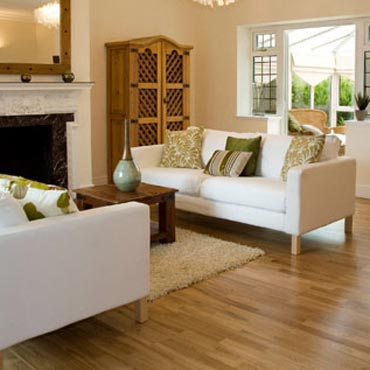

Anderson-Tuftex Hardwood
Profile | WebsiteReal wood floors made of Maple, Oak, Beech, Elm, and Pecan should be as familiar to you as the countless city streets that are named after these trees. Their rich natural colors and hand-crafted quality is what we have come to expect in our homes. Now, Anderson has taken wood flooring technology to a place it has never gone before—with Best-in-Class durability. Learn More


Mullican® Hardwood Flooring
Profile | Website | Warranty | Install | Maintain | FAQsSince its founding in 1985, Mullican Flooring has dedicated itself to creating the highest-quality hardwood flooring in the world. The company’s founders knew the combination of precision milling, advanced kiln-drying techniques and the most demanding inspectors available would result in products that would be unmatched by its competitors. Learn More
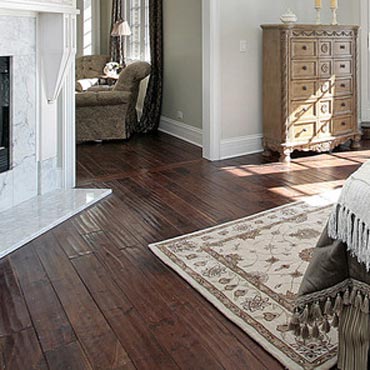

Homerwood® Flooring
Profile | Website | Warranty | Install | MaintainChoose from the unparalleled beauty and quality of oak, ash, cherry, hAppalachian Hardwood, lovingly handcrafted into the finest American-made hardwood floors - The Essence of HomerWood. Recalling the age of quality and craftsmanship, we hand select each plank from sustainable, center-cut lumber to reveal the character and unsurpassed beauty created by nature. From these planks we handcraft and custom design exceptional hardwood floors for those who seek style, elegance and individuality. Learn More


Aacer® Sports Flooring
Profile | Website | What's NewAacer® Sports Flooring provides high-performance, MFMA-certified Northern Hard Maple systems. Engineered for durability, athletic safety, and sustainability, these specification-ready solutions support architects and facility managers worldwide. Learn More


Carlisle Wide Plank Floors
Profile | Website | FAQsSpecifier’s guide to Carlisle Wide Plank Floors: Premium, sustainably sourced hardwood flooring featuring widths up to 20 inches. Engineered and solid solutions designed for architectural durability, design flexibility, and low-VOC commercial standards. Learn More
Unfinished Solid Plank News
Latest Unfinished Solid Plank News
Unfinished Solid Plank...The Timeless Charm of Unfinished Solid Plank Flooring: A Modern Design Essential In the ever-evolving world of interior design, unfinished solid plank flooring has emerged as a cornerstone for those seeking both authenticity and versatility in their spaces. This flooring option, characterized by its raw and natural allure, offers a unique blend of aesthetics and practicality th... |
Prefinished Solid Plank Flooring...ntrunner, revolutionizing the aesthetics and functionality of contemporary interiors. This article delves into the significance of Prefinished Solid Plank Flooring, comparing it with its counterpart, Unfinished Solid Plank Flooring, and provides insights for professionals in interior design. Understanding Prefinished Solid Plank FlooringPrefinished Solid Plank Flooring refer... |