Shaw Hardwood Flooring offers consumers the timeless tradition of hardwood flooring with a wide variety of species, colors, and sizes. Shaw hardwood flooring brings Beauty and Strength to Any Room. See our Collection of Wood Flooring Stains and Grains. Learn More
Borders and Accents
Borders and Accents Guide
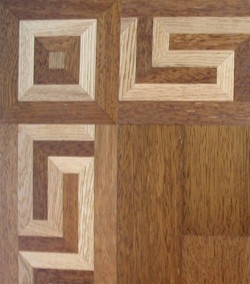
Elevating Spaces with Artistry: The Mastery of Wood Flooring Borders and Accents
In the realm of modern architecture and interior design, the devil is indeed in the details. Wood flooring borders and accents have emerged as pivotal elements in creating spaces that are not only aesthetically pleasing but also resonate with the ethos of sustainability. For architects, designers, and building contractors, these elements are more than mere embellishments; they are the brushstrokes in the art of space crafting. This article delves into the nuances of wood flooring borders and accents, offering insights into their types, sustainability, and technological advancements.
Defining the Essentials
In the context of wood flooring, 'borders' refer to the decorative perimeters that frame or outline a room, distinguishing areas or enhancing the overall design theme. 'Accents', on the other hand, are design elements incorporated within the flooring to add visual interest, such as inlays or patterned sections.
Types of Wood Flooring Borders and Accents
- Intricate Inlays: These involve embedding different wood types or materials into the floor, creating patterns or motifs. The unique grain patterns and color variations of woods like oak, walnut, and cherry lend themselves to intricate designs. Suitable for classical and elaborate themes, these inlays can be a focal point in a room.
- Contrasting Borders: Using a contrasting wood type or color to frame a room's flooring, these borders delineate space effectively. For instance, a dark walnut border around a lighter oak floor can accentuate and define the area. This style fits well in both modern and traditional settings.
- Geometric Accents: These involve creating geometric patterns or shapes within the flooring. They can range from simple herringbone or chevron patterns to more complex geometric shapes, catering to contemporary design aesthetics.
- Mixed Media Flooring: This type incorporates materials like metal, stone, or glass along with wood, offering a modern and eclectic look. Ideal for contemporary spaces, this style speaks to a more adventurous design sensibility.
Each type varies in terms of installation complexity and durability. For instance, intricate inlays require skilled craftsmanship and are better suited for low-traffic areas due to their detailed nature. On the other hand, contrasting borders are more versatile and durable, suitable for various environments, including those with higher moisture levels.
Sustainable Practices
The growing emphasis on sustainability has steered the selection of materials towards responsibly sourced woods and eco-friendly finishes. Using reclaimed wood for borders or accents not only adds a story to the space but also aligns with green building practices. Furthermore, the use of low-VOC finishes and adhesives contributes to healthier indoor air quality.
Technological Advances
The field has witnessed significant technological strides, from improved finishes that enhance durability and resistance to wear, to advanced installation techniques that reduce labor time and costs. Digital design tools allow for more precise and intricate designs, enabling a higher level of customization.
Conclusion
In conclusion, wood flooring borders and accents are far more than ornamental additions; they are fundamental components in the narrative of a space. Their thoughtful selection and integration can elevate a project, balancing aesthetics with functionality. Whether it’s the classic elegance of inlay patterns or the bold statement of mixed media designs, these elements offer architects and designers a palette for creativity. By coupling these choices with sustainable practices and leveraging technological advancements, professionals in this field can craft spaces that are not only visually compelling but also environmentally responsible and enduring. This careful orchestration of details is what ultimately defines the mastery of space design.
Disclaimer: The information provided in this article is for general informational purposes only. While we strive to ensure the accuracy and reliability of the information presented, we make no warranties, express or implied, about the completeness, accuracy, reliability, suitability, or availability with respect to the content. Any reliance you place on such information is strictly at your own risk. We recommend consulting with professionals for specific advice tailored to your project’s needs, particularly regarding building codes, regulations, and product specifications.
Under no circumstances shall we be liable for any loss or damage, including without limitation, indirect or consequential loss or damage, arising from the use of, or reliance on, the information provided in this article.
Featured Brands
The Best 3 Borders and Accents Brands
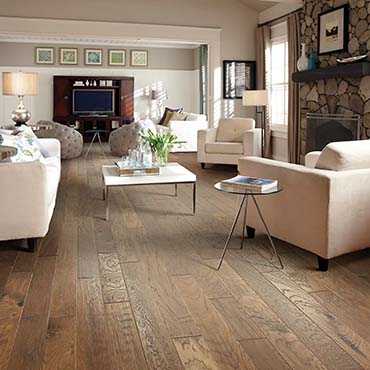

Shaw Hardwood Flooring
Profile | Website | Warranty | Clean | Maintain | GreenShaw Hardwood Flooring offers consumers the timeless tradition of hardwood flooring with a wide variety of species, colors, and sizes. Shaw hardwood flooring brings Beauty and Strength to Any Room. See our Collection of Wood Flooring Stains and Grains. Learn More
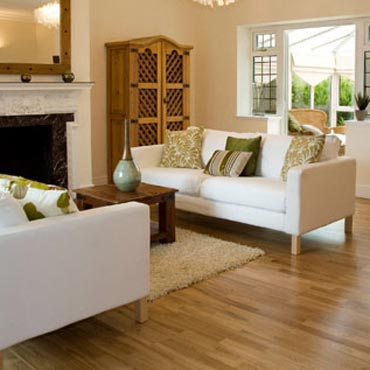

Anderson-Tuftex Hardwood
Profile | WebsiteReal wood floors made of Maple, Oak, Beech, Elm, and Pecan should be as familiar to you as the countless city streets that are named after these trees. Their rich natural colors and hand-crafted quality is what we have come to expect in our homes. Now, Anderson has taken wood flooring technology to a place it has never gone before—with Best-in-Class durability. Learn More
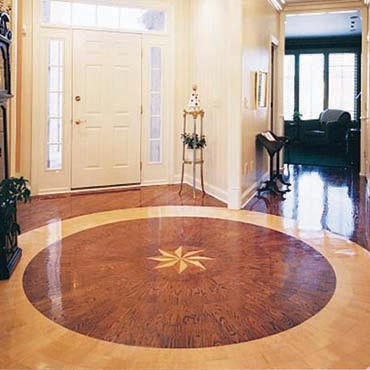

Oshkosh Parquet Flooring
Profile | Website | Brochure | Warranty | BlogOshkosh Designs provides American-made parquet flooring, medallions, and borders engineered for high-end residential and commercial interiors. Specializing in sustainable, FSC-certified hardwoods and mixed-media inlays, they offer specification-ready solutions for designers. Learn More
Borders And Accents News
Latest Borders and Accents News
Borders/Accents...Enhancing Interior Design with Wood Flooring Borders and Accents: A Guide for Professionals In the realm of modern interior design, the significance of wood flooring borders and accents cannot be overstated. These elements offer an unparalleled blend of tradition and innovation, bringing a unique character to any space. As a professional in interior design, decoration, or consu... |